Mobile Forensics: A Crucial Component of Modern Investigations
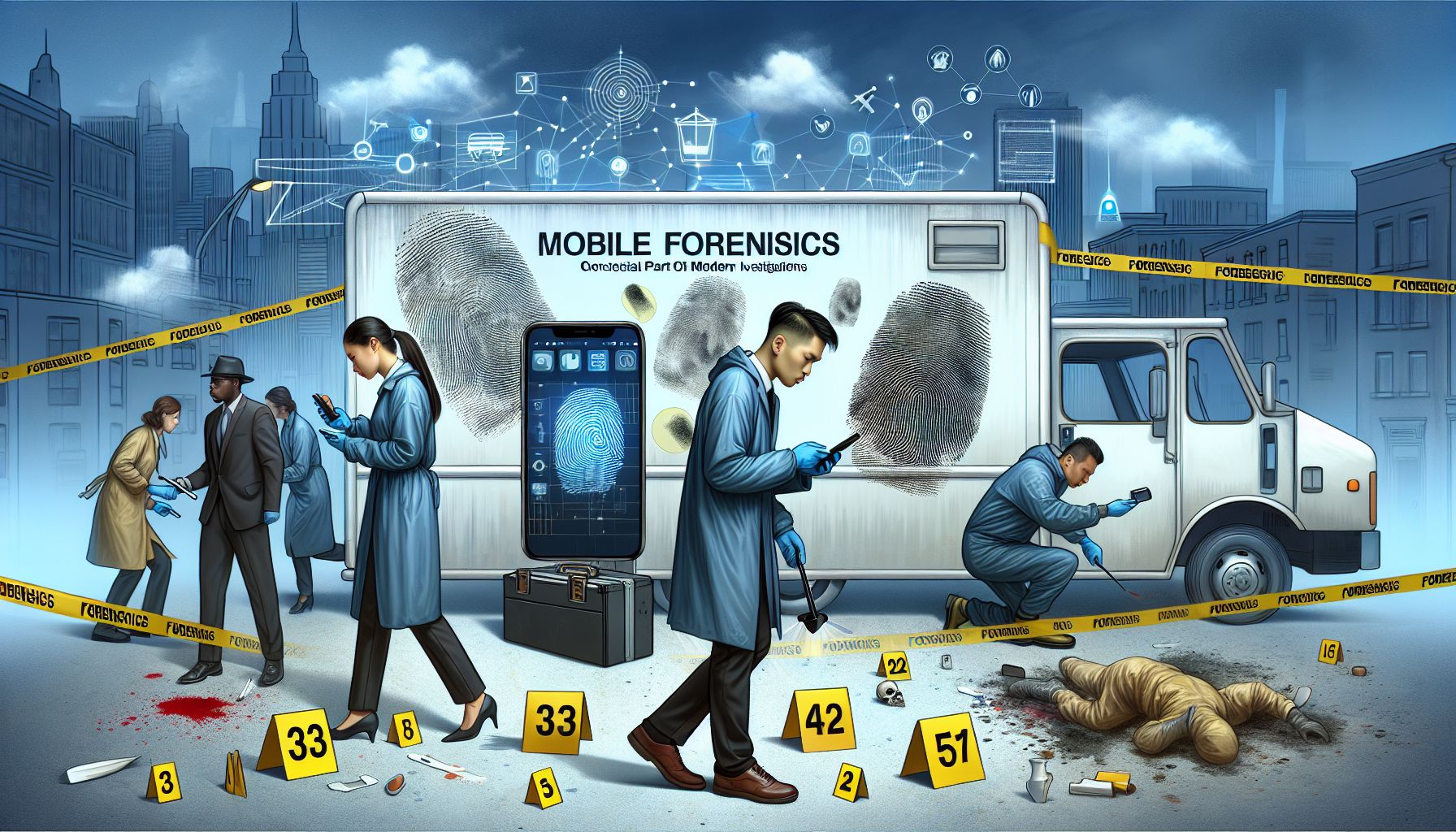
Today, more and more of our daily lives revolve around our smartphones – these devices serve as a hub for communication, a photo and music storage center, a trusted navigation system, and a key component for online banking, just to name a few uses. However, with the rising dependence on mobile technology comes the growing field of mobile forensics, a rapidly evolving discipline that plays a pivotal role in criminal investigations and electronic discovery.
Introduction to Mobile Forensics
Mobile forensics is a branch of digital forensic science dealing with the recovery of digital evidence or data from a mobile device under forensic conditions. In simpler words, it’s the art of retrieving hidden, deleted, or lost information from smartphones, tablets, as well as other mobile devices.
In the early days, mobile forensics primarily involved recovering call logs and text messages from mobile phones. Today, this field has expanded exponentially due to the complexities and sophistication of smartphones and the wealth of data that these devices can hold, leading to a much wider range of critical pieces of evidence.
The Importance of Mobile Forensics Services in Legal and Corporate Contexts
Mobile forensics services are mission-critical in a variety of legal and corporate contexts as they provide crucial information in both criminal and civil cases, ranging from fraud and cyberstalking to intellectual property theft and even homicide. These services help investigators in finding, recovering, analyzing, and presenting electronic data that investors can use as evidence in a case.
Given the ubiquitous nature of smartphones, the data within the device can provide a wealth of information about the user’s habits, movements, communications, and even intentions. This data, when leveraged correctly, can assist greatly in both corporate security settings and legal proceedings.
In corporate investigations, mobile forensic services are primarily used to delve into cases of data loss or corporate espionage. It can provide insights to prevent future attacks, understanding how and when a data breach occurred, and what information was compromised.
For law enforcement agencies across the globe, mobile forensics has become a vital tool in combating crime. With the rise in digital crimes and cyber-terrorism, the ability to extract actionable intelligence from mobile devices has proven to be indispensable.
Challenges and Ethical Considerictions in Mobile Forensics
One of the greatest challenges in the field of mobile forensics stems from the wide variety and constant evolution of mobile devices and operating systems. Different devices and OS has unique proprietary systems, creating barriers to the extraction of data.
Moreover, alongside the technical challenges, there are legal and ethical hurdles tied to mobile forensics. Ensuring that the data collection process adheres to privacy laws is vital to maintaining the admissibility of the evidence in court and to protect the rights of individuals.
The Future of Mobile Forensics
The future of mobile forensics looks bright, yet challenging, considering the constant evolution in mobile technology and software advancements. As technology and security measures evolve, so too must the tools and techniques used to gather mobile data effectively and within legal boundaries.
One significant game-changer in this field might be the integration of Artificial Intelligence (AI). With AI, the process of collecting and analyzing large volumes of data can be faster and more efficient.
Conclusion
Mobile forensics has undoubtedly carved out its place in today’s digital-first world. From assisting in critical criminal investigations to helping protect corporate data, the role of mobile forensics is hard to overstate. It is a challenging yet rewarding field that demands continuous learning, adaptation, and discretion.
As we continue to weave technology even more closely into our lives, the importance of mobile forensics will only increase. Those in the field will need to stay ahead by continuously adopting new technologies and techniques in response to the ever-changing digital landscape.