The Evolution and Importance of Smartphone Forensics in Today’s Digital Era
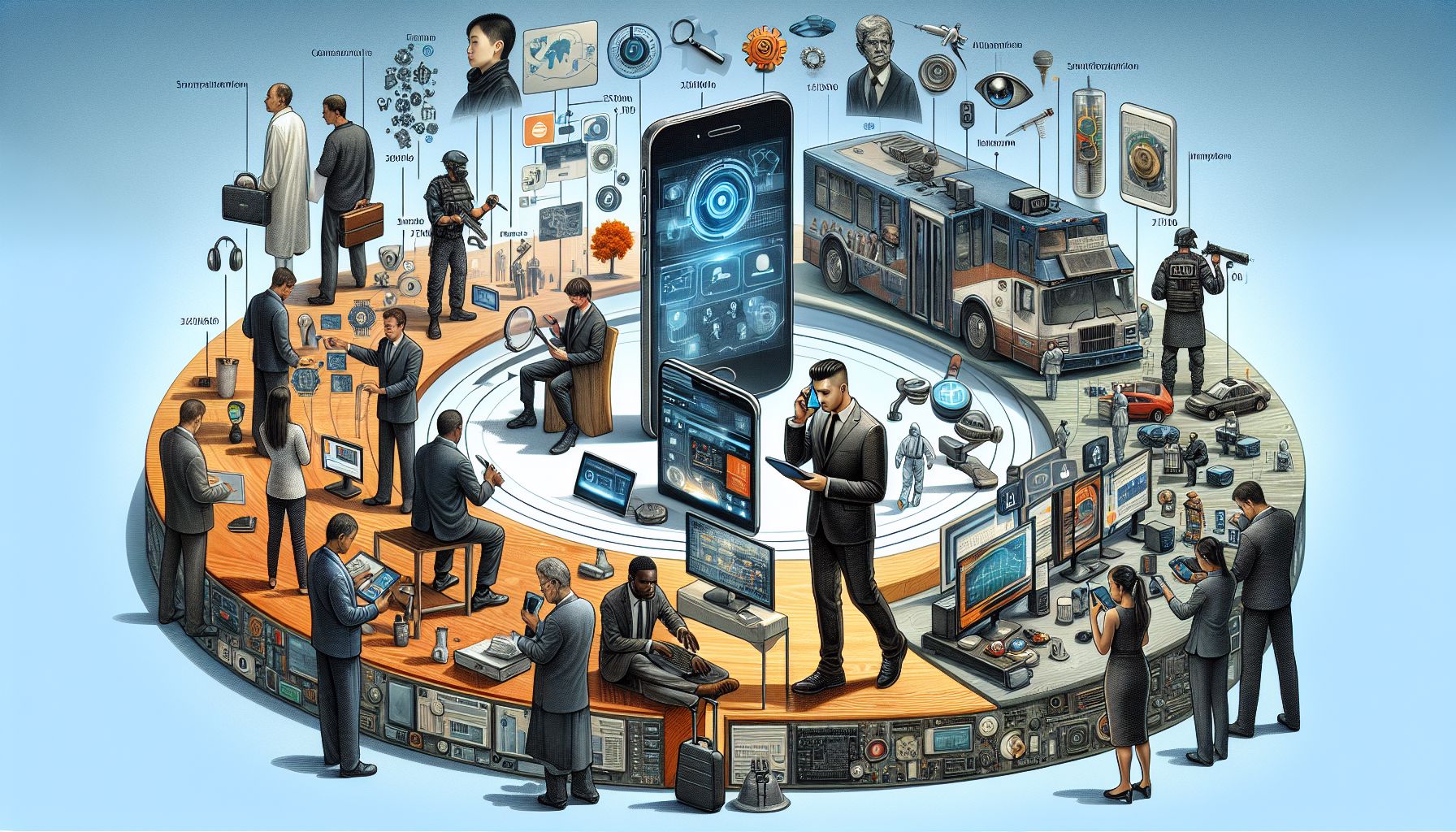
In this technology-driven era, smartphones have become an integral part of our lives, encompassing everything from personal data to financial transactions to social communications. With all this vast wealth of information floating within our pocket-sized devices, smartphones have also drastically transformed the forensics service industry, leading to the rising importance of mobile forensics.
An Insight into the World of Smartphone Forensics
Smartphone forensics, also known as mobile forensics, is an sub-branch of digital forensics. It involves the recovery of digital evidence or data from a mobile device under forensically sound conditions. All the information that can be scrutinized during an investigation, including texts, calls, app data, photos, emails, and more, can give a deep insight into a user’s behavior and activities. With the level of reliance and trust we put in these devices combined with the prolific use of smartphones in criminal activities, the demand for mobile forensics has soared.
The Evolution of Mobile Forensics
In the early days of mobile forensics, the focus was primarily on simple devices with limited data. Investigators often relied on network providers for call logs and text records. With the advent of smartphones and their advanced capabilities, the investigative landscape dramatically shifted.
Decoding smartphone technology has its set of unique challenges due to the diverse manufacturers, models, operating systems, app versions, and user settings. As a result, the forensic tools and techniques for smartphones have evolved, getting sophisticated over time to unlock valuable evidence without tampering any data.
The Integral Role of Smartphone Forensics Services
Mobile forensics services play an essential role in a wide range of situations, including law enforcement, e-discovery, corporate investigations, and personal disputes.
In law enforcement, investigators employ mobile forensics to solve a multitude of criminal cases, ranging from drug trafficking, terrorism, to cybercrime. Using mobile forensic tools, investigators can extract and analyze data to track criminal activity, location information, communication records, and more.
E-discovery refers to the process where electronic data is sought, located, and searched with the intent of using it as evidence in a court case. With smartphones being the most personal and frequently used devices, they are rich sources of data, meaning mobile forensics is a critical part of the e-discovery process.
Corporate investigations involve investigating fraud or misconduct within the organization. Smartphone forensics can be employed to uncover evidence related to the fraud by obtaining valuable data from the suspected employees’ devices.
In personal disputes, such as custody battles or divorces, smartphone forensics can provide valuable evidence. Communication data, social media use, or location history can create a comprehensive profile of an individual’s behavior and actions.
The Future of Mobile Forensics
As smartphones continue to evolve, so will the challenges associated with mobile forensics. With the surge of encrypted messaging apps, cloud storage, and virtual environments, data extraction and analysis will become more complex. However, such evolution also offers exciting opportunities for the advancement of mobile forensic tools and techniques.
Conclusion
In a world inundated with digital trends, smartphone forensics proves a critical ally for attorneys, investigators, and corporations. It helps decipher and decode the virtual footprints left on our indispensable mobile devices. With data privacy concerns reaching new heights, the field ensures such investigations are ethically, legally, and technologically sound. Whether it is a matter of national security or a corporate dispute, accurate, efficient, and reliable mobile forensics services will continue to prove indispensable. At the same time, mobile forensic investigators and companies must continually navigate the challenges that evolving technologies present, ensuring that their methods are always one step ahead.