Unveiling the Intricacies: A Deep Dive into Mobile Forensics Services
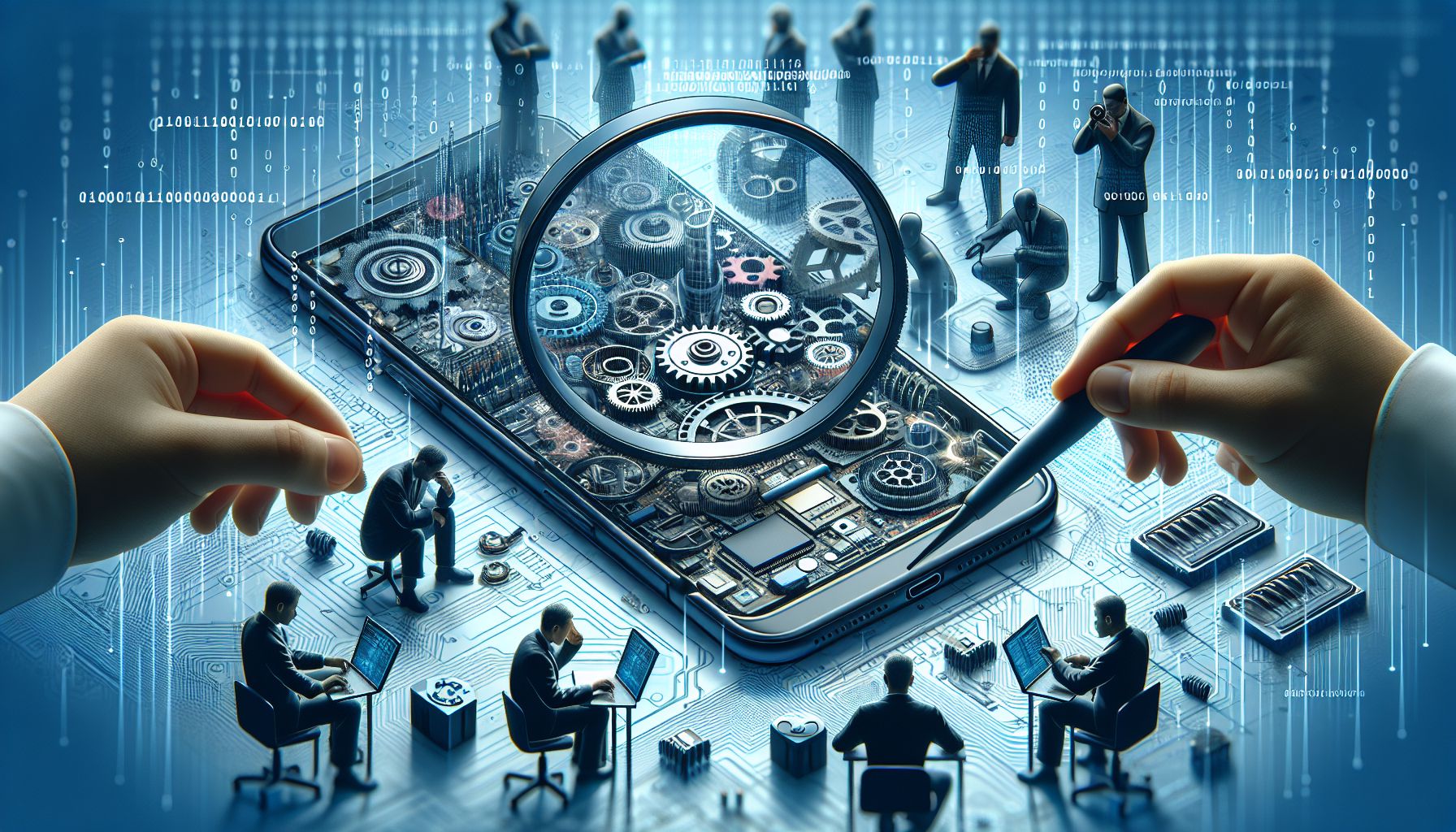
Smartphones have become an essential part of our daily lives, more like an extension of ourselves. From personal conversations and financial transactions to social media scrolling and business emails, these handheld devices harbor a wealth of information. And with this, the importance of mobile forensics services has escalated like never before.
Mobile forensic services, or smartphone forensics, is a sub-branch of digital forensics. It involves the process of recovering digital evidence or data from a mobile device under forensically sound conditions.
In this article, we will uncover what mobile forensics services entail, their applications, importance, and how they are transforming the forensics landscape.
Understanding Mobile Forensics Services
Mobile forensics is a complex yet crucial domain of cybersecurity. It revolves around securing, isolating, acquiring, analyzing, and reporting data found on mobile devices such as smartphones and tablets.
The type of data retrieved in mobile forensics can vary immensely, ranging from SMS and call logs to emails, browser history, photos, videos, files, GPS locations, and even data from the apps used.
Mobile forensics professionals use cutting-edge tools and techniques to delve into the digital imprints left behind on devices – often extracting data that is deleted, encrypted or hidden.
Significance of Mobile Forensics in Today’s Digital Landscape
In an era where cybercrime steadily ascents, mobile device forensics has taken on a pivotal role in deterrence, detection, and litigation. From corporate investigation, counter-terrorism operations, to criminal and civil litigation – mobile forensics services have a broad range of applications.
1. Law Enforcement:
For law enforcement agencies, mobile forensics is an invaluable resource. Digital trails captured from smartphones can provide timelines, locations, communication data, and even motives – often serving as compelling evidence in a court of law.
2. Corporate Investigations:
In the corporate world, mobile forensics is used to investigate fraud, IP theft, monitor compliance, and employee misconduct. It helps in identifying vulnerabilities and taking necessary corrective actions.
3. Personal Litigations:
In personal litigation cases, like divorces or custody battles, the information gleaned from smartphones can be of immense help. It can expose cheating, abuse, neglect, and other harmful behaviors.
Challenges and Ethical Concerns
Like every field, mobile forensics is not devoid of challenges and ethical concerns. The rapid development and diversity of phone hardware, software, and operating systems require forensic examiners to constantly upgrade their skills and tools.
The varying user settings, accessibility of cloud data, and encrypted information present additional hurdles. Preserving the integrity of data and ascertaining its accuracy is paramount, especially when it’s being used as evidence in a court of law.
Moreover, ethical issues can also arise. An investigator must respect privacy rights, follow legal protocols, maintain transparency, and stay within their chain of custody when performing digital examination and data extraction.
Looking Ahead: The Future of Mobile Forensics
As we continue to stride into a digital-fueled future, the scaling relevance of mobile forensics services is unquestionable. The sheer intensity of our reliance on mobile devices will only bolster the need for these services to further advance and refine.
The future of mobile forensics will see a climate of quick adaptation in response to tech advancements. It might entail dealing with new types of devices and operating systems, coping with advanced mechanisms of data encryption, and deploying artificial intelligence for swift and precise data analysis.
Conclusion
In an increasingly digital world, smartphones have become the pulsating heart of our personal and professional lives. Mobile forensics services have, thus, carved their corner of indispensability. Their application in law enforcement, corporate accountability, and personal litigation continues to redefine our interpretation and handling of digital evidence.
However, it’s a field beset by continuous change and challenges – battling the swift tide of tech advancements, overcoming the hurdles in data extraction and analysis, and navigating the intricate web of ethical and legal concerns.
As we move forward, adapting and evolving will be vital. The future is no doubt exciting for mobile forensics, standing at the cusp of inevitable growth and new possibilities. While challenges are manifold, so are the opportunities for those eager to decipher the stories hidden within our smartphones.