A Comprehensive Overview of Mobile Forensics Services in the Digital Age
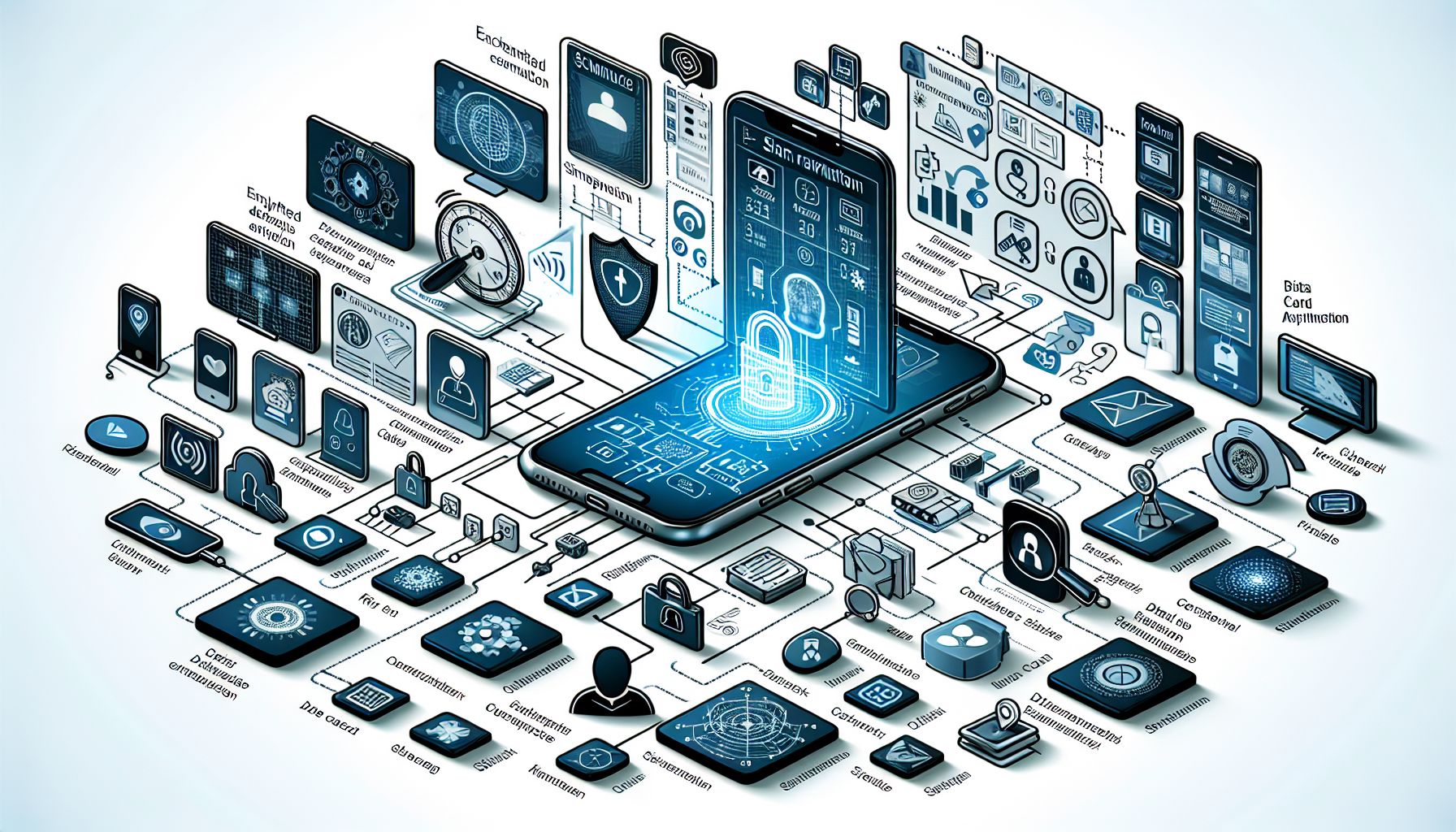
As digital innovation continues to revolutionize our lives, the ubiquity of smartphones has become a defining feature of the contemporary world. However, with the growing reliance on these devices, the pitfalls and potential vulnerabilities associated with their use have also risen to the fore. This has spurred the development and adoption of mobile forensics services. In this article, we will delve into what mobile forensics services entail and their growing significance in a world characterized by digitization.
Understanding Mobile Forensics
Mobile forensics is a branch of digital forensics that focuses on recovering digital evidence or data from a mobile device under forensically sound conditions. The rise of smartphones, tablets, and other handheld devices has resulted in the generation of a massive trove of data which, in turn, has made mobile forensics services indispensable in several spheres ranging from law enforcement and cybersecurity to corporate affairs.
Mobile forensics services involve a systematic process of data acquisition, analysis, and reporting. This entire process is performed in a way that preserves the integrity of the data, making it admissible as evidence in a court of law if required.
Importance of Mobile Forensics
In an age where smartphones and other mobile devices have become personal companions storing loads of critical information, the relevance of mobile forensics services cannot be overstated. Below, we highlight some of their key applications:
-
Investigative Purposes: Mobile forensics services are commonly used by law enforcement agencies to forensically gather, analyze and present digital evidence during criminal investigations.
-
Corporate Use: In the corporate world, mobile forensics services have proven instrumental in internal investigations and in handling delicate matters such as intellectual property theft, corporate espionage, and employee misconduct.
-
Cybersecurity Measures: In an era of rising digital threats, mobile forensics services are increasingly being utilized to track down cybercriminals, understand their modus operandi, and develop robust solutions to prevent future attacks.
Challenges in Mobile Forensics
Although mobile forensics services provide an effective means of collecting and analyzing digital evidence, they are not without their challenges.
Emerging Technologies: One of the major challenges is the rapidly evolving nature of mobile technologies. The frequent release of new devices, operating systems, and applications makes it necessary for analysts to regularly update their skills and tools to stay effective.
Data Volatility: Another challenge lies in data volatility. Mobile devices are always in use, and as a result, their data constantly changes. This poses a challenge, as data that could be essential for a case may be overridden or lost even before it is retrieved.
Encryption and Security Features: Modern smartphones come with an array of security features like encryption, passcodes, and biometrics, which can be quite challenging to bypass.
The Future of Mobile Forensics
Despite its challenges, mobile forensics has a promising future. The growing demand for these services across diverse sectors indicates their increasing acceptance and relevance. The evolution of artificial intelligence and machine learning technologies opens up exciting possibilities, with the potential to significantly enhance the capabilities of mobile forensics tools and methodologies.
Furthermore, the current trend towards improving global standards and practices in this field is a positive indicator. It suggests the oncoming of stringent measures to regulate the practice, which will certainly improve the reliability and credibility of mobile forensics services.
Conclusion
Mobile forensics offers a powerful toolset for the generation and evaluation of digital evidence in a world where mobile devices serve as major repositories of personal and professional data. As technology advancements continue to stretch the boundaries of what’s possible with digital devices, embracing mobile forensics services becomes a necessity rather than a choice.
Although there are challenges inherent in this field due to the rapid change and escalating sophistication of mobile technology, the development of more advanced tools and more rigorous methodologies promises robust growth and continued effectiveness for mobile forensics in the years to come.
In our increasingly digital age, we can only expect these services to become even more integral to our legal, cybersecurity, and corporate landscapes. In essence, mobile forensics services represent an essential pillar in the fabric of modern society’s digital security and integrity.