Unraveling The Intricacies: An In-Depth Look Into Mobile Forensics Services
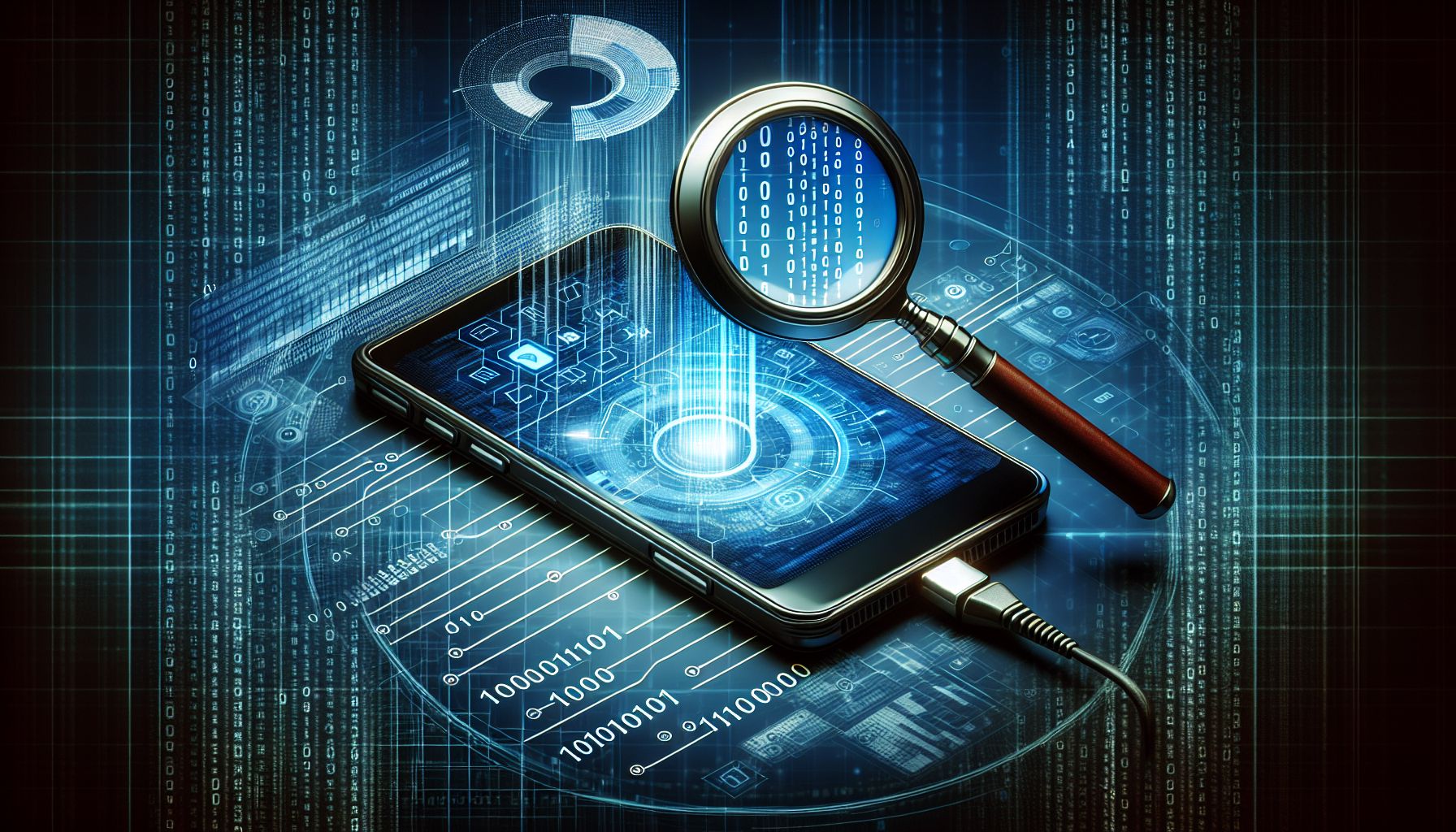
In today’s digital era, smartphones have become an integral part of our lives, so much so that they often serve as digital footprints, chronicling our conversations, locations, personal details, business data, and even our secrets. As the personal and corporate dependency on mobile technology continues to grow exponentially, so does the need to understand and employ mobile forensics services.
Mobile Forensics: What Is It All About?
Mobile forensics is a branch of digital forensics that revolves around the recovery, analysis, and interpretation of data found in mobile devices such as smartphones, tablets, and even GPS units. Simply put, it is the science of retrieving data from these devices.
This field is relatively new, with the necessity of such services only becoming significantly prevalent in the last decade or so. However, the growth has been staggering. With the pressing demand in various sectors, including legal, corporate, and law enforcement, the effectiveness of mobile forensics has been impressively demonstrated.
The Crucial Role of Smartphone Forensics
Smartphone forensics plays an essential role in various domains, with law enforcement and corporate investigation being the most notable ones. Mobile devices can often serve as key pieces of evidence in criminal cases or may divulge significant insights in internal corporate investigations.
Moreover, smartphone forensics increasingly plays a part in civil litigation, helping parties gather evidentiary data. Authentication of text messages or location information can significantly sway the outcome of personal injury or domestic cases. Hoarding sensitive data, such as financial information, personal emails, and business details in our handheld devices indeed has consequences. When this digital trail is leveraged appropriately, it often holds the power to influence judicial verdicts, proving smartphone forensics to be an invaluable tool.
Steps Involved In Mobile Forensic Examinations
A mobile forensic examination isn’t as simple as plugging in the device and downloading the data. The process involves multiple steps carried out meticulously, ensuring the integrity of the data is maintained.
-
Preservation: The first step is to secure and preserve the device ensuring no data alteration or loss.
-
Acquisition: It involves collecting data from the device. This might involve bypassing passwords and extracting data from hidden or deleted files.
-
Analysis: Once the data is acquired, it needs to be analysed to draw out relevant findings. Forensic examiners meticulously inspect this data, filtering out irrelevant information and identifying data that could be pertinent to the investigation.
-
Reporting: The final step involves consolidating the findings in a simplified, easy-to-understand forensic report.
Challenges Faced in Mobile Forensics
Mobile forensics is a complex landscape, and with evolving technology, it’s constantly proving to be somewhat of a moving target for forensic investigators. They often have to face a array of challenges including but not limited to:
-
Variety of Operating Systems: The market is flooded with numerous operating systems, each having its own structure and way of storing data, which complicates the process of data retrieval.
-
Encryption: With increased emphasis on user privacy, most modern mobile devices come with advanced encryption techniques which can make data extraction extremely difficult.
-
Cloud Storage: A substantial amount of user data is typically stored on the cloud, which necessitates different investigation strategies.
The Future Outlook
With the rapid technological advancements and increasing mobile device usage, the scope of smartphone forensics is set to expand. The introduction of newer technologies like IoT, 5G, and cloud computing will add new dimensions to mobile forensic investigations. Anticipating these changes and preparing for them is integral to the continued effectiveness of mobile forensics in the future.
Final Thoughts
In a world marred with cyber threats and legal disputes, mobile forensics serves as a beacon of hope, drawing out information from the most private sectors of our lives – our digital devices. The complexities of this field underscore the importance of professional, high-quality mobile forensic services that can navigate these challenges and effectively secure invaluable data.
While a relatively new field, the value that mobile forensics brings to the table is substantial, making it an indispensable tool in various sectors today and undoubtedly, in the future.